Fall in Vermont: A Guide to Seasonal Dining
Every season in Vermont brings something special to the table, but fall may be the most anticipated time of year here at the farm, and September signals its arrival. Even as we’re still harvesting late-summer-sun-ripened tomatoes and sweet peppers from our gardens, cooler evenings and the first turning leaves have us excited for what’s coming right around the seasonal bend.
Celebrating what the farm and region provide
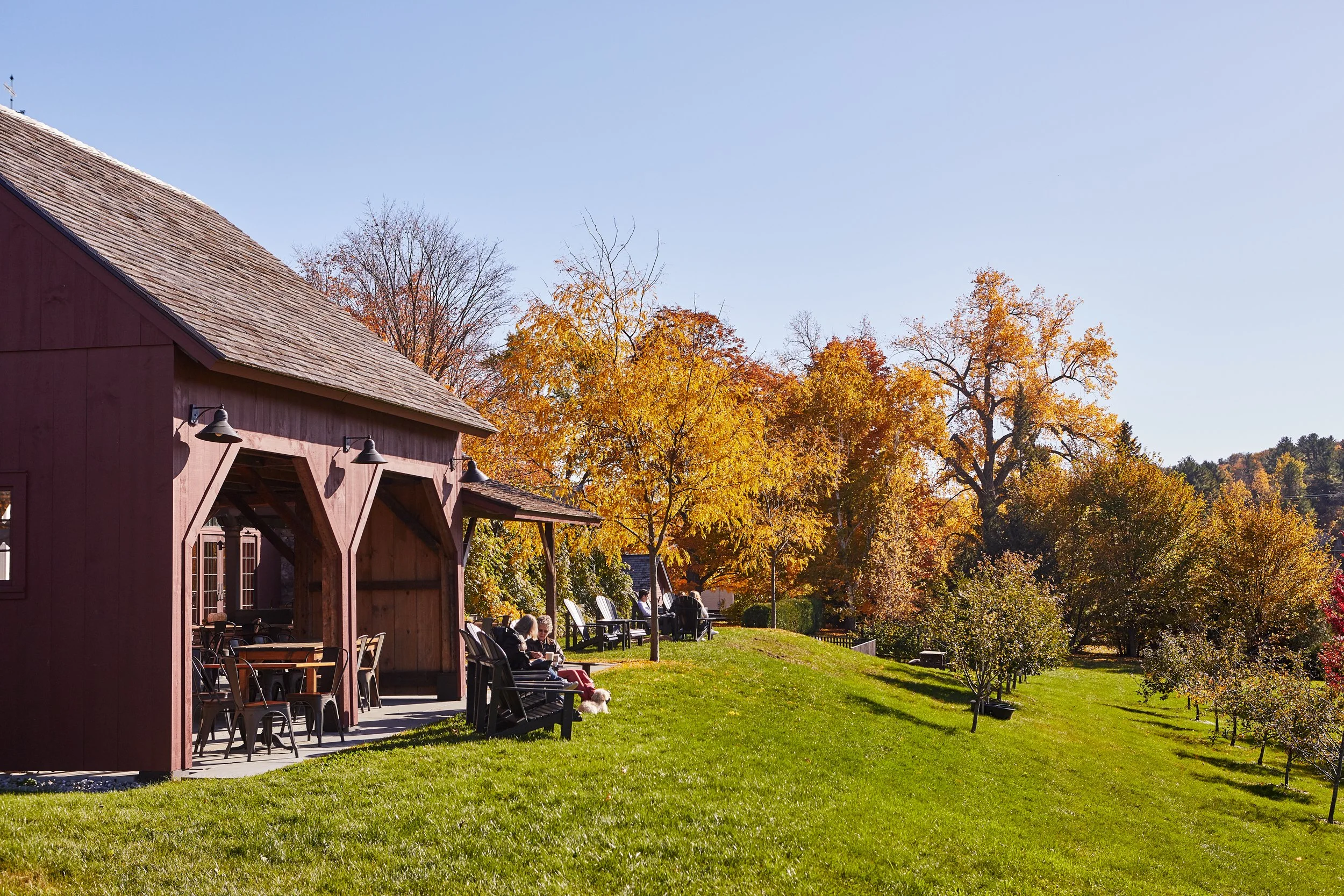
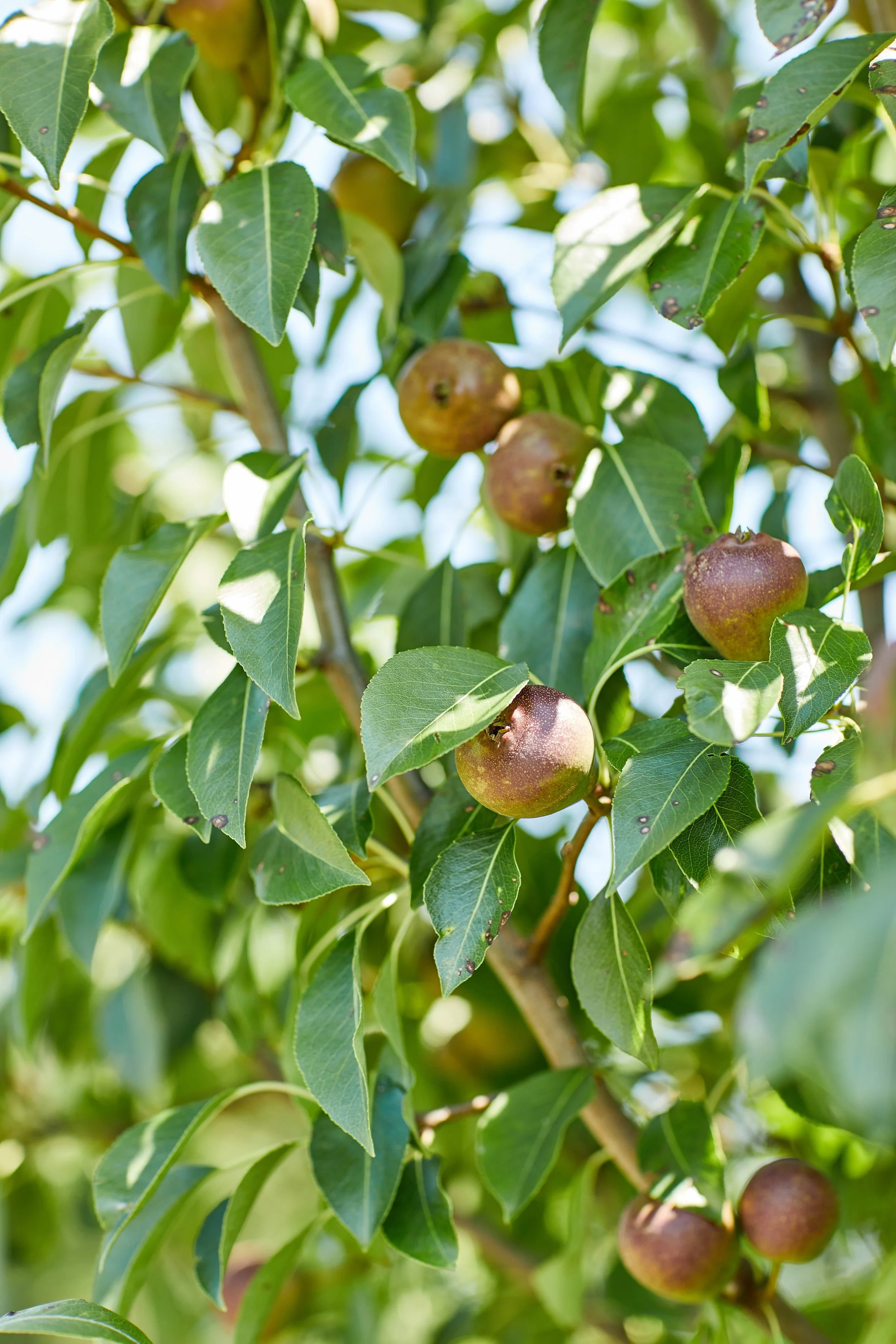
In Vermont, fall doesn’t begin on the equinox. It officially kicks off earlier in September, with the start of apple season. Over 150 apple varieties grow in orchards across the state, many of which, like our neighbors at Shelburne Orchards, open their doors around Labor Day Weekend for visitors eager to pick their own fruit, or just enjoy a cup of fresh-pressed cider and a cider donut. The abundance of apple varieties on offer is a boon for creative chefs and home cooks, who can find ways to incorporate apples into every part of the meal. At Philo Ridge Farm, we love using apples in savory dishes. Among our fruit trees, you'll find varieties like Macintosh and Cortland apples and Seckel pears. Apples caramelize beautifully when slow roasted with our farm-raised pork and lend sweetness to a rustic root vegetable mash. Pears, too, are a seasonal Vermont orchard staple we look forward to each year. Sliced into a hearty salad or poached with wine and warm baking spices, they are a signature taste of fall.
September is also when cool-weather vegetables like radishes, carrots, turnips, pumpkins, and cabbages begin popping up in gardens and on plates. Gentler sunlight and shorter days create the ideal growing environment for sturdy roots, squashes, and brassicas, as well as for dark leafy greens and bitter chicories like kale and radicchio. Unlike peak summer produce, which is often at its best picked ripe and minimally prepared, these fall vegetables reward cooking techniques like roasting, braising, marinating, and fermenting that coax their flavor to the surface and transform their texture. At the farm, we toss garden-grown potatoes, beets, and carrots with olive oil and herbs and roast them on high heat to bring out their sweet earthiness.
Planning for fall at the farm
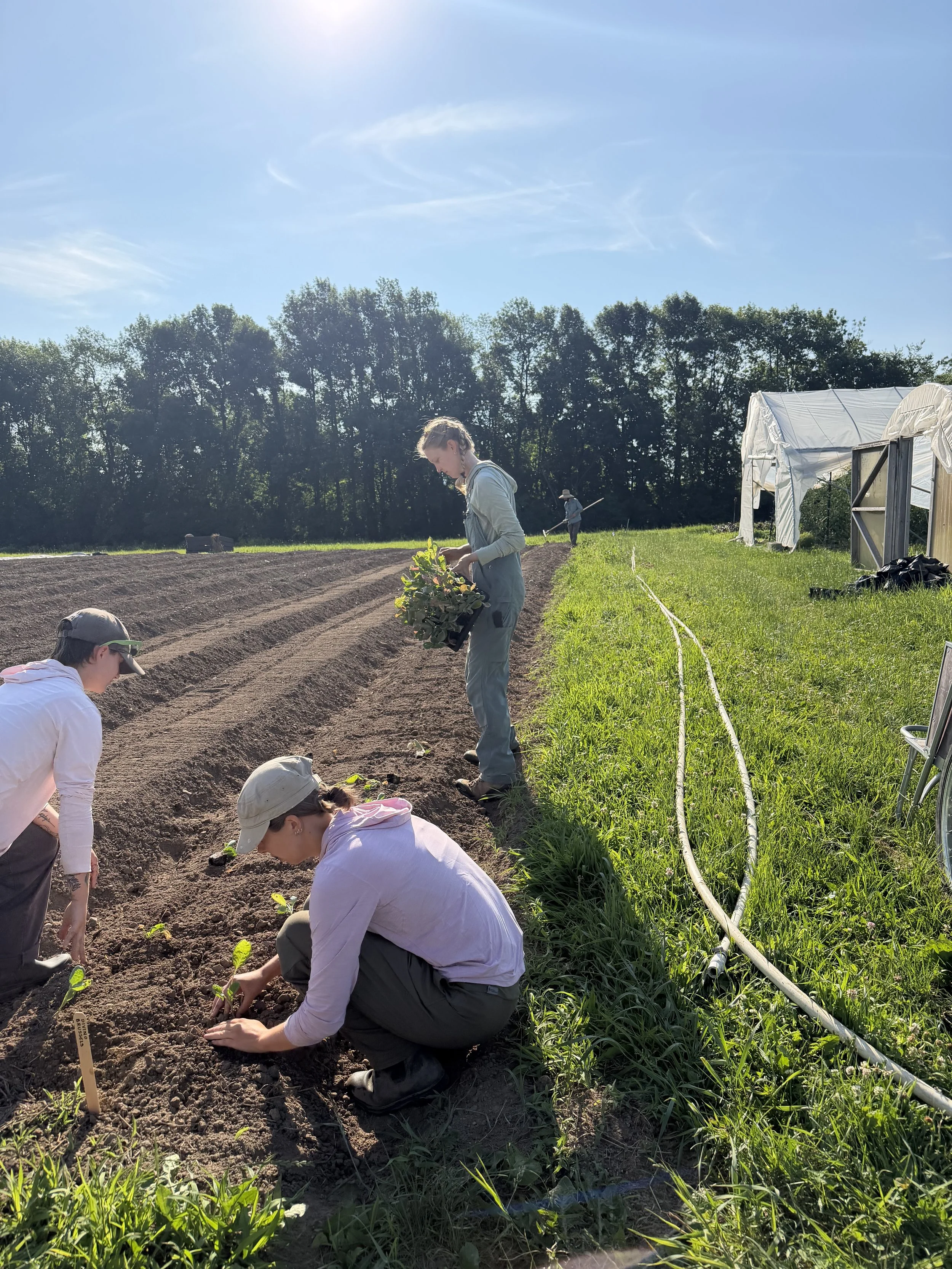
The garden team planting cabbages in July.
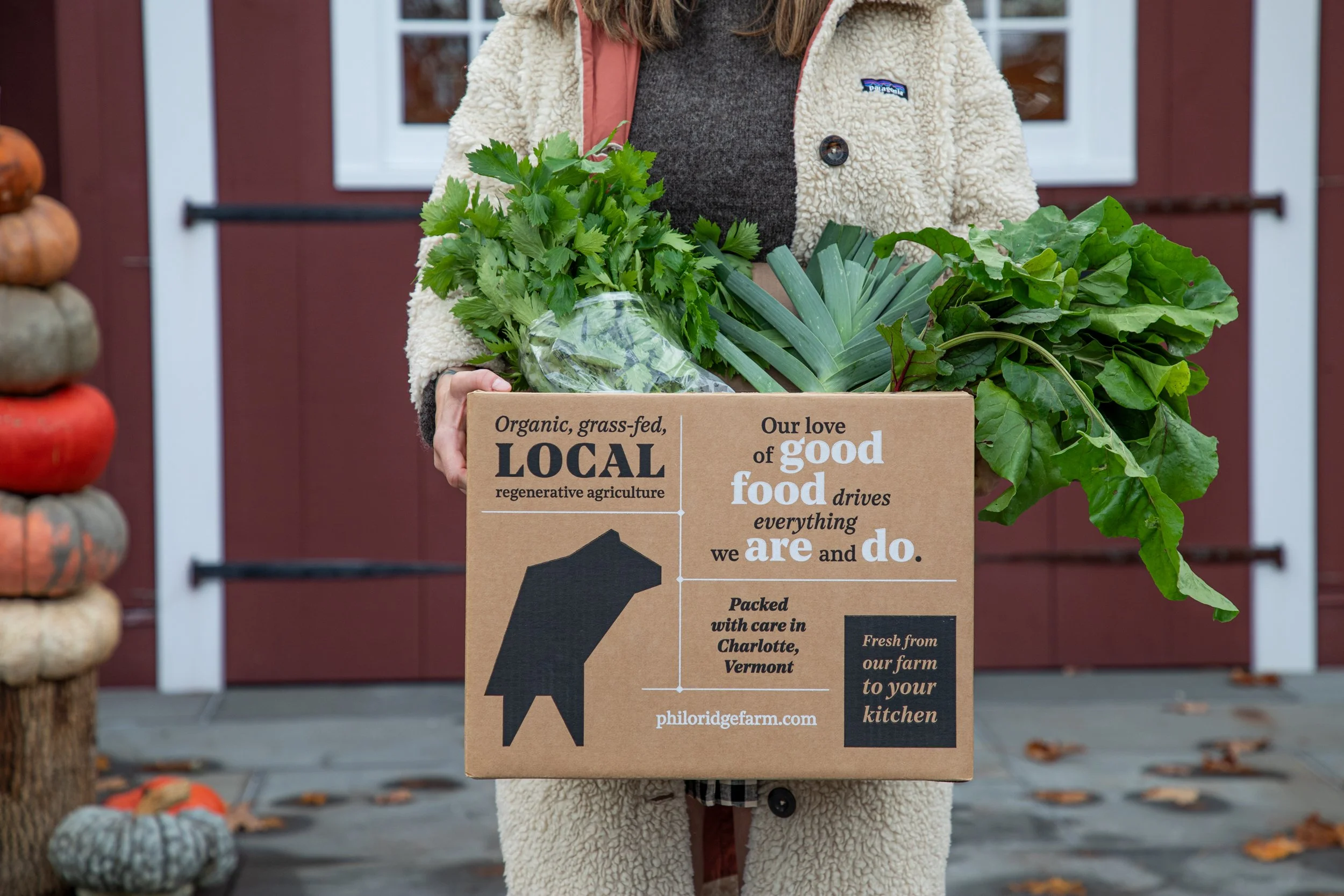
Every fall harvest at Philo Ridge Farm is the result of a year of careful planning and planting. We start sourcing seeds for fall in the beginning of the year, and by midsummer, our garden team is planting for September and beyond. This past July, as our Market and menus featured tender green beans and summer squash, the gardeners were already busy moving young Amarant and Kalibos cabbages to the garden’s fall beds.
Our Garden and Growing Manager Jeremy LeClair, Production Sous Chef Charlie DiPrinzio, and Executive Chef Marc St. Jacques coordinate closely to select fall crops that will benefit the health and productiveness of the garden while filling the Market and kitchen with exciting ingredients for fall meals. Together, the garden and kitchen teams think holistically about the needs and goals of the farm. The gardeners favor cultivars that will thrive, resisting pests and supporting the gardens’ diversified ecosystems, while Marc and the kitchen staff focus on flavor and utility, advocating for varieties that will stand out on seasonal menus and store or preserve well to ensure delicious meals throughout the winter.
A shared vision for a regenerative garden ecosystem that will feed our visitors for years to come is what drives both the garden and kitchen teams. Even when garden health and abundance is prioritized over flavor in the choice to grow a specific cultivar, the kitchen finds creative ways to tease out and highlight the variety’s best characteristics. “I trust them to turn what we grow into something I could never imagine,” says Jeremy.
Marc considers this skill and attention essential to what he and his culinary team do at the farm: “Caring about each step in the cooking process is an extension of the hard work that our farm teams put into growing the vegetables with so much care.” Finding the beauty in each ingredient is what ingredient-driven cooking is all about. “Turnips are pretty,” he says, “let them shine!”
The result of their collaboration this year is a mix of tried-and-true and new-to-us fall produce. Here’s a peek at what to look for in the coming weeks and months:
King Richard leeks, prized for their long, sweet stems
Upstate Abundance potatoes, aptly named for their yields and adored for their creamy texture
Tango celery, an easy-to-grow variety that builds layers of flavor into fall soups and braises
Mars celeriac, a blight-resistant, nutty-tasting root that’s excellent roasted or added to stews
Purple Top turnips, a favorite tender, sweet heirloom variety that helps break up compacted soil
Watermelon radishes, as gorgeous as they are versatile, great raw or preserved
Gilfeather turnips, the Vermont state vegetable. A cross between a turnip and rutabaga that’s sweeter and creamier than both
This philosophy guides seasonal dining throughout the year here at the farm. Whether you're visiting our dining spaces for a meal or shopping in our Market for your own fall menu ingredients, we’re excited to share Vermont’s fall bounty with you.